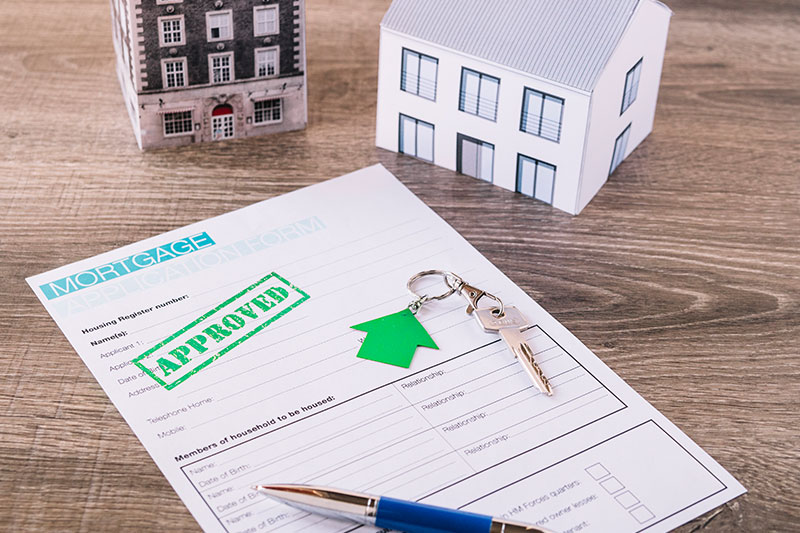
Buying a home is a big step. It can feel both exciting and scary…
Renting Vs Buying In 2026: A Data-Driven Comparison
If you feel stuck between renting and buying in 2026, you are not alone. Many people want a clear answer. Yet the “right” choice depends on your numbers, your plans, and your stress level. So, let’s make this simple and practical.
In 2026, the biggest issue is the monthly cost. Mortgage rates have eased from recent peaks, but they still sit high enough to push payments up. At the same time, rent growth has slowed in many places, which gives renters more breathing room.
This guide will help you compare renting vs buying with real factors you can control. You will also learn what to watch in housing costs in 2026. By the end, you should know which path fits your life and your budget.
What The 2026 Housing Numbers Are Saying
In 2026, the rent vs buy choice often starts with one hard truth: buying can cost more each month. In Denver, the average mortgage payment is significantly higher than the average rent. Yet in places like Pittsburgh, the gap looks much smaller.
Additionally, many experts anticipate mortgage rates will remain around the mid-6% range in 2026, rather than returning to the historic lows. So, your payment may stay “heavy” for a while. Meanwhile, rent pressure appears to be softer than it was before.
The Real Cost Of Renting In 2026
Renting seems simple because the bill appears straightforward. Still, you pay more than “just rent.” Therefore, it is helpful to present the full picture.
Here are the common renting costs:
- Monthly rent payment
- Security deposit (often one month)
- Renter’s insurance
- Parking, pet fees, or amenities
- Moving costs when you switch homes
Also, your rent may rise at renewal time. However, recent forecasts suggest rent growth may slow further in 2026 in many areas. That can protect your budget. Renting also gives a key benefit: flexibility. If you may move soon, renting can save you money and stress. Plus, you avoid surprise repair bills.
“Renting can buy you time when your life plan is still changing.”
So, if your top goal is freedom, renting often comes out on top.
The Real Cost Of Buying In 2026
Buying a home builds equity over time. Yet the first years can feel expensive. So, you should look past the monthly mortgage bill.
Here are the common buying costs:
- Down payment
- Closing costs
- Monthly mortgage payment
- Property taxes and homeowners’ insurance
- Repairs and upkeep
Additionally, mortgage rates in 2026 may keep payments high, even if home prices cool in certain areas. That matters because your monthly payment drives your daily budget. Still, buying can protect you from rent jumps. A fixed-rate mortgage provides steady principal and interest payments. Meanwhile, rent can fluctuate from year to year.
“A home is not just a place. It is a long plan.”
A Simple Rent Vs Buy Scorecard
You do not need a perfect forecast. Instead, you need a fair side-by-side view. So, use this scorecard as a quick start.
| Cost / Factor | Renting | Buying |
| Monthly payment | Often lower upfront | Often higher upfront |
| Upfront cash | Deposit + moving | Down payment + closing |
| Repairs | Usually landlord pays | You pay and plan ahead |
| Stability | Lease-based | Stronger long-term control |
| Wealth building | No equity | Equity can grow over time |
Your Break-Even Point Depends On Time
People often ask, “How many years until buying pays off?” That is the break-even point. It depends on your costs and the duration of your stay.
Staying under 3 years
If you might move soon, renting often costs less. That is because buying has high upfront costs. Also, early mortgage payments mostly cover interest.
Staying 5+ years
If you plan to stay longer, buying can start to make sense. Over time, you build equity and spread closing costs across more years. Plus, you may gain from home price growth, even if it is modest.
The “Hidden” Costs That Swing The Decision
Two people can buy the same home and get very different outcomes. Therefore, you must watch the costs that are hidden in the background.
Key hidden costs include:
- Maintenance and small repairs
- Big repairs (roof, HVAC, plumbing)
- Property tax changes
- Insurance changes
- HOA fees in some neighborhoods
Additionally, renters face hidden costs as well. For example, you may pay more each year. Additionally, you may need to move more frequently, which can be time-consuming and costly. Then there is opportunity cost. If you use savings for a down payment, you cannot use that money elsewhere. However, owning can also act like forced savings, since you build equity.
A Quick Checklist To Pick The Best Fit For You
You can turn this big choice into a simple test. So, ask yourself these questions and be honest.
Renting may fit you if:
- You may move within a few years
- You want a lower monthly payment now
- You do not want repair stress
- You are rebuilding savings or credit
Buying may fit you if:
- You plan to stay at least five years
- You have a stable income and savings
- You can handle repairs and taxes
- You want long-term payment stability
Also, run your own “rent vs buy” math with local numbers.
So, What Should You Do Next?
To achieve a smart answer in 2026, start with your monthly comfort. Then look at your timeline. After that, compare your local rent to a full ownership payment, including taxes and insurance. If you rent, you can still build wealth by saving the difference each month. If you buy, you can build equity while gaining stability. Either way, you can win if you pick the option you can sustain.
And if you want help turning your numbers into a clear plan, you can discuss your situation with Patriot Equity Mortgage LLC and keep your next step open, realistic, and focused on what matters most.

Related Posts